Opinion & Commentary

Why Kenya's Creative Economy Policy Matters More Than Ever

The government's creative economy framework could transform the arts sector — if implementation matches ambition.

W
Wanjiku Editor
Friday, 20 February 20267 min read312 views
Why Kenya's Creative Economy Policy Matters More Than Ever

A Landmark Policy

Kenya's creative economy policy represents the most comprehensive government framework for the arts sector in the country's history. It promises tax incentives, intellectual property protections, and funding mechanisms that could fundamentally change how creative businesses operate.

The Gap Between Policy and Practice

However, Kenya has a long history of well-crafted policies that gather dust. The creative sector has heard promises before. What makes this different is the growing economic evidence: the creative economy contributes significantly to GDP and employs millions of young Kenyans.

What Artists Need

Affordable studio space, accessible funding, streamlined licensing, and genuine consultation. The policy addresses all of these on paper. The real test will be whether the Ministry of Culture can translate words into tangible support for artists, musicians, filmmakers, and writers across the country.


Share:

Enjoyed this story?

Get more like this delivered to your inbox every week.

We respect your privacy. Unsubscribe anytime.

More byWanjiku Editor

Related Stories

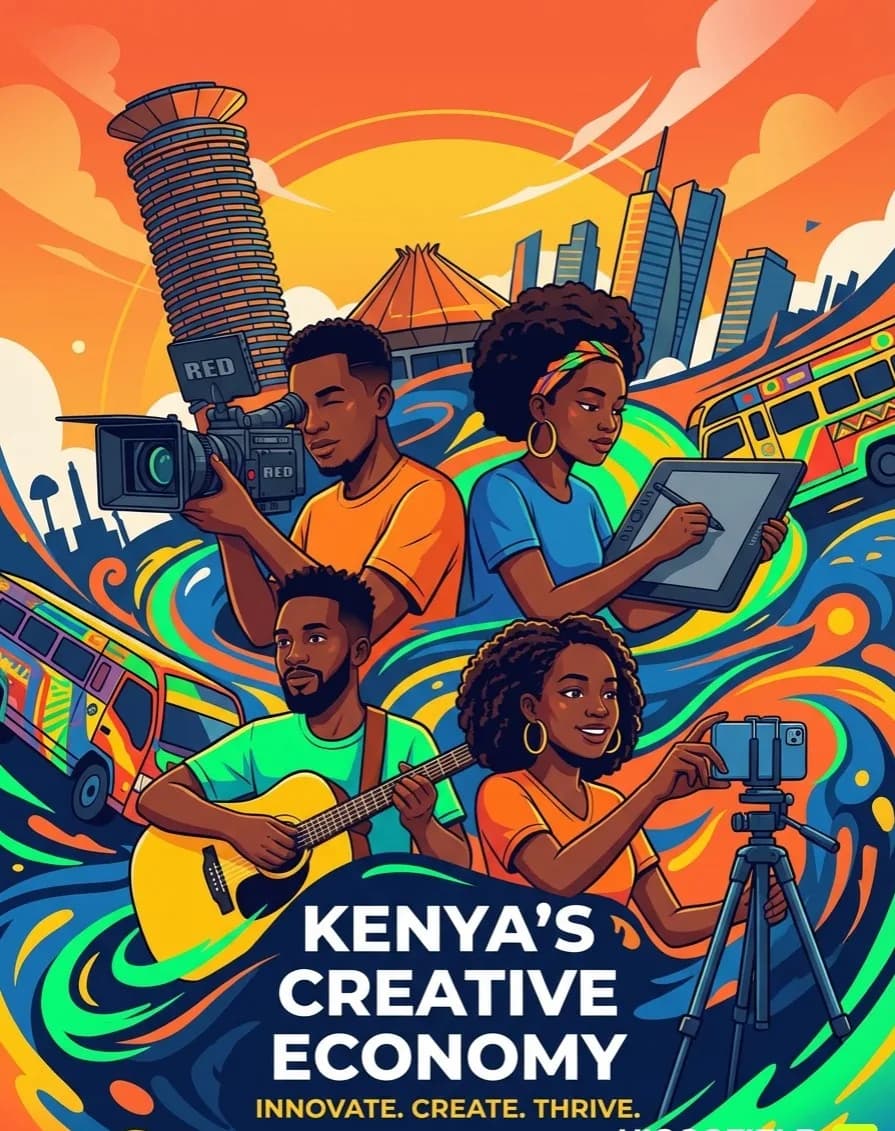
Kenya’s Creative Economy- in a nutshellOpinion & Commentary

Kenya’s Creative Economy- in a nutshell

For generations, the Kenyan dream followed a familiar script: excel in school, secure a stable job, and build a life. Creativity was a hobby, not a career. But today, young Kenyans are tearing up that script. Faced with a tough economy and an unemployment crisis, a generation of educated, tech-savvy youth is turning to digital platforms like YouTube, TikTok, and Spotify to monetize their passions. From beat-making and podcasting to content creation, they are proving that creativity is not just self-expression—it's a viable livelihood. While the system is still catching up, with policies slowly evolving and parents beginning to see creative work as "real work," the shift is undeniable. In this new narrative, young Kenyans aren't just making art while looking for a job; they are making art as the job.

Admin Sanaa17 Jun 20264 min

Comments (0)