Interviews & Features

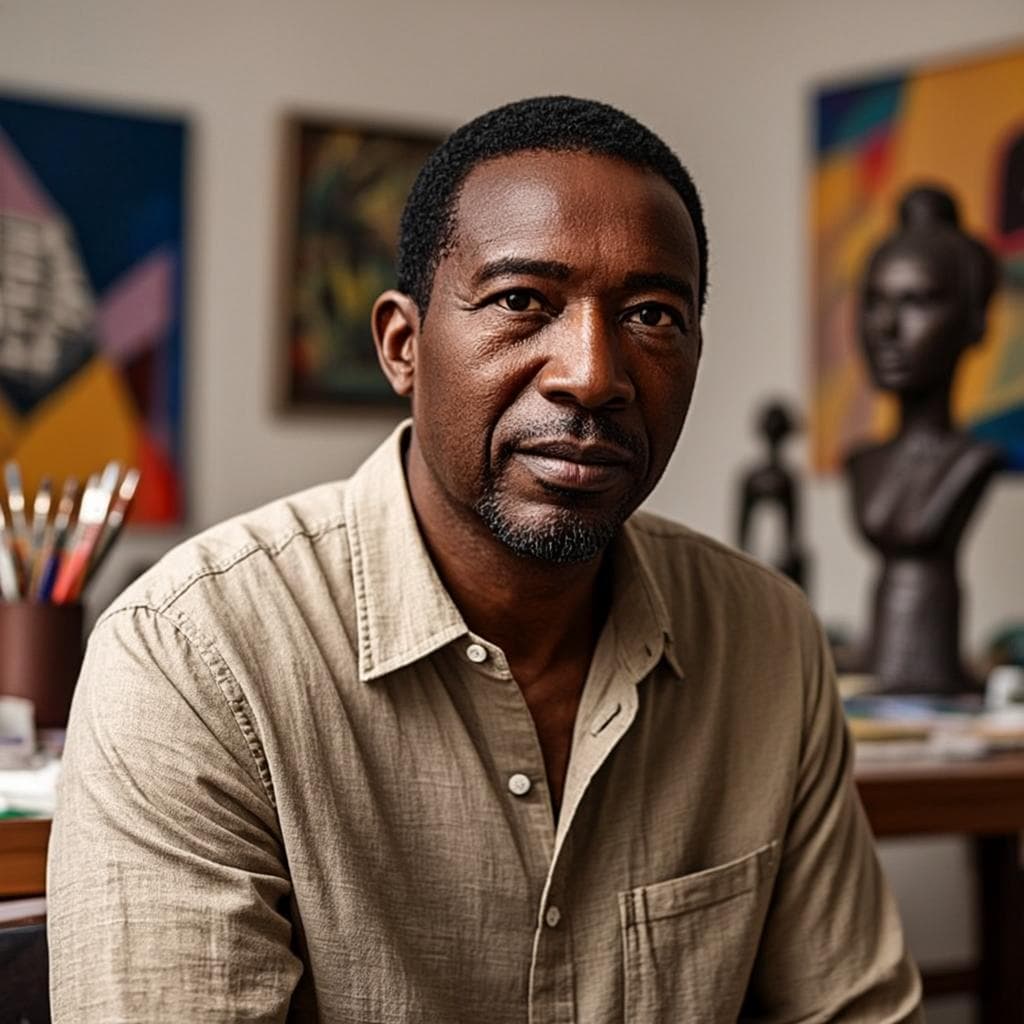
Behind the Canvas: Interview with Contemporary Artist Wangechi Mutu

The internationally acclaimed Kenyan-born artist shares her thoughts on identity, displacement, and the power of African imagination in contemporary art.

A
Admin Sanaa
Tuesday, 5 May 20268 min read892 views
Behind the Canvas: Interview with Contemporary Artist Wangechi Mutu

Home and Displacement

Wangechi Mutu's work has always grappled with questions of home, identity, and belonging. Born in Nairobi and based in New York, her art occupies the space between cultures, drawing strength from both African traditions and contemporary global discourse.

The Creative Process

"I start with the body," Mutu explains. "The body as a site of memory, of violence, of beauty. Every scar tells a story, every curve holds a history." Her hybrid figures — part human, part machine, part mythological creature — challenge conventional notions of beauty and identity.

"Africa doesn't need permission to imagine its own futures. We've always been creators." — Wangechi Mutu

Return to Kenya

Mutu's recent return to Kenya has been transformative for both the artist and the local art scene. Her studio in Nairobi has become a hub for young artists, and her presence has helped raise the profile of Kenyan contemporary art on the international stage.

Looking Forward

As African contemporary art gains increasing recognition globally, Mutu's work serves as both inspiration and challenge. She reminds us that the most powerful art emerges from honest engagement with one's own experience and cultural context.
Share:

Enjoyed this story?

Get more like this delivered to your inbox every week.

We respect your privacy. Unsubscribe anytime.

More byAdmin Sanaa

Kenya’s Creative Economy- in a nutshellOpinion & Commentary

Kenya’s Creative Economy- in a nutshell

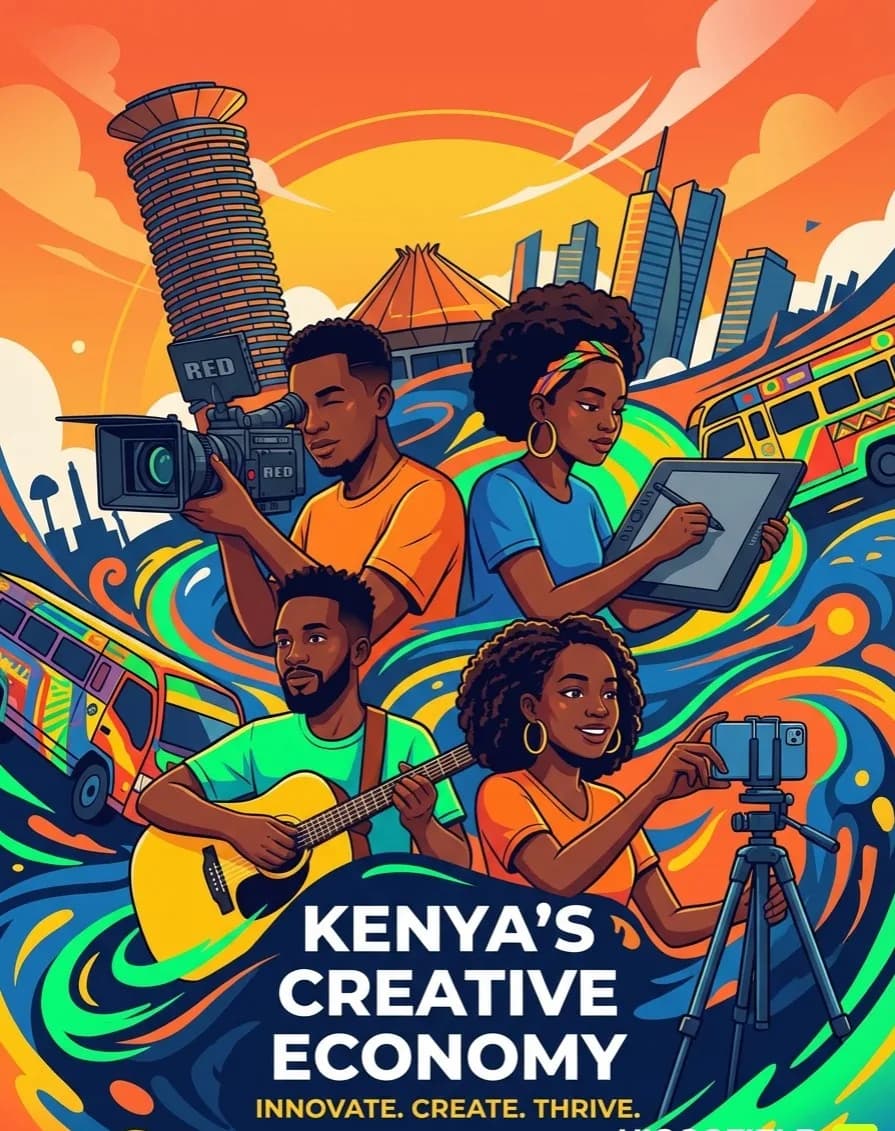
For generations, the Kenyan dream followed a familiar script: excel in school, secure a stable job, and build a life. Creativity was a hobby, not a career. But today, young Kenyans are tearing up that script. Faced with a tough economy and an unemployment crisis, a generation of educated, tech-savvy youth is turning to digital platforms like YouTube, TikTok, and Spotify to monetize their passions. From beat-making and podcasting to content creation, they are proving that creativity is not just self-expression—it's a viable livelihood. While the system is still catching up, with policies slowly evolving and parents beginning to see creative work as "real work," the shift is undeniable. In this new narrative, young Kenyans aren't just making art while looking for a job; they are making art as the job.

Admin Sanaa17 Jun 20264 min

Related Stories

Kenya’s Creative Economy- in a nutshellOpinion & Commentary

Kenya’s Creative Economy- in a nutshell

For generations, the Kenyan dream followed a familiar script: excel in school, secure a stable job, and build a life. Creativity was a hobby, not a career. But today, young Kenyans are tearing up that script. Faced with a tough economy and an unemployment crisis, a generation of educated, tech-savvy youth is turning to digital platforms like YouTube, TikTok, and Spotify to monetize their passions. From beat-making and podcasting to content creation, they are proving that creativity is not just self-expression—it's a viable livelihood. While the system is still catching up, with policies slowly evolving and parents beginning to see creative work as "real work," the shift is undeniable. In this new narrative, young Kenyans aren't just making art while looking for a job; they are making art as the job.

Admin Sanaa17 Jun 20264 min

Comments (0)