Books & Literature

Interview: Magunga Williams on Building Africa's Biggest Literary Blog

The founder of The Magunga Review talks about creating a platform for African stories, the state of literary criticism, and why African readers deserve better.

W
Wanjiku Editor
Sunday, 15 March 20268 min read389 views
Interview: Magunga Williams on Building Africa's Biggest Literary Blog

From Side Project to Institution

What started as a personal blog has become one of Africa's most influential literary platforms. Magunga Williams built The Magunga Review from scratch, creating a space where African books, writers, and ideas take centre stage.

On Literary Criticism

"African literature has a criticism problem," Williams says. "We celebrate publication but rarely engage with the quality of the work. We need honest, rigorous criticism that respects both the writer and the reader."

The Future of African Publishing

Williams is optimistic about the future. "Digital platforms are democratising both writing and reading. A writer in Kisumu can now reach a reader in Lagos without going through London or New York. That changes everything."

Share:

Enjoyed this story?

Get more like this delivered to your inbox every week.

We respect your privacy. Unsubscribe anytime.

More byWanjiku Editor

Related Stories

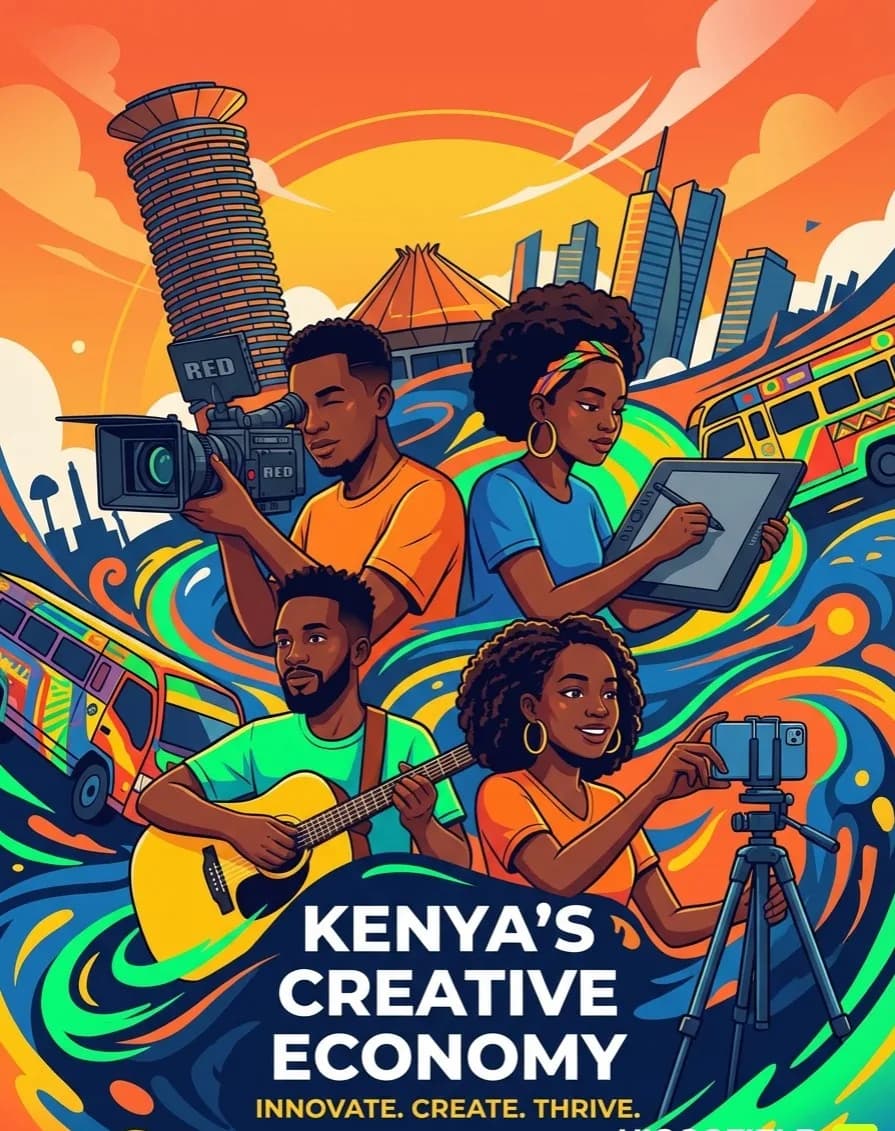
Kenya’s Creative Economy- in a nutshellOpinion & Commentary

Kenya’s Creative Economy- in a nutshell

For generations, the Kenyan dream followed a familiar script: excel in school, secure a stable job, and build a life. Creativity was a hobby, not a career. But today, young Kenyans are tearing up that script. Faced with a tough economy and an unemployment crisis, a generation of educated, tech-savvy youth is turning to digital platforms like YouTube, TikTok, and Spotify to monetize their passions. From beat-making and podcasting to content creation, they are proving that creativity is not just self-expression—it's a viable livelihood. While the system is still catching up, with policies slowly evolving and parents beginning to see creative work as "real work," the shift is undeniable. In this new narrative, young Kenyans aren't just making art while looking for a job; they are making art as the job.

Admin Sanaa17 Jun 20264 min

Comments (0)