Colonial Legacies
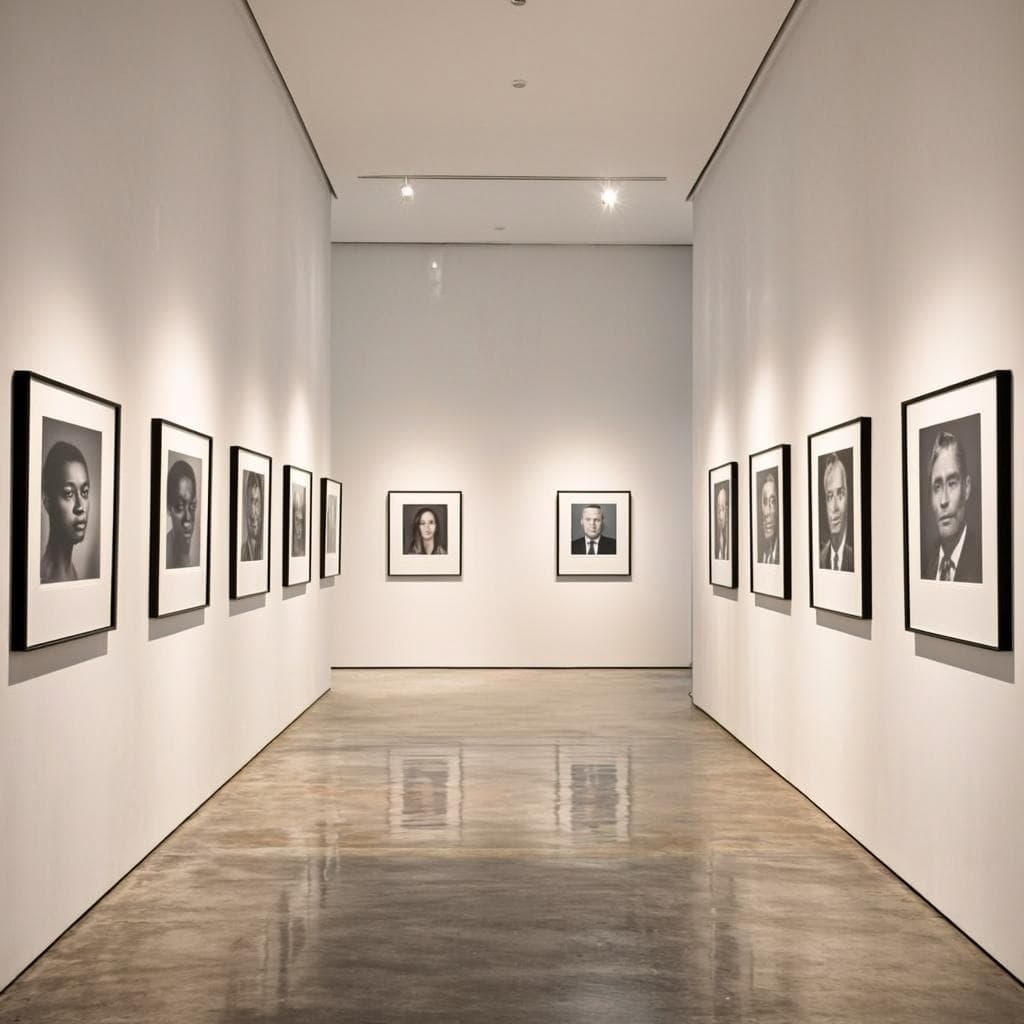
The way we think about Kenyan art and culture is still deeply influenced by colonial structures. Museums, galleries, and funding bodies often operate within frameworks established during the colonial period, privileging certain forms of expression while marginalizing others.
Who Funds the Arts?
International donors and cultural institutions play an outsized role in shaping the Kenyan art scene. While this funding is often essential, it can also create dependency and steer artistic production toward themes and formats that align with foreign priorities rather than local needs.
"When your funding comes from abroad, you inevitably create for an abroad audience." — Anonymous Kenyan curator
Reclaiming the Narrative
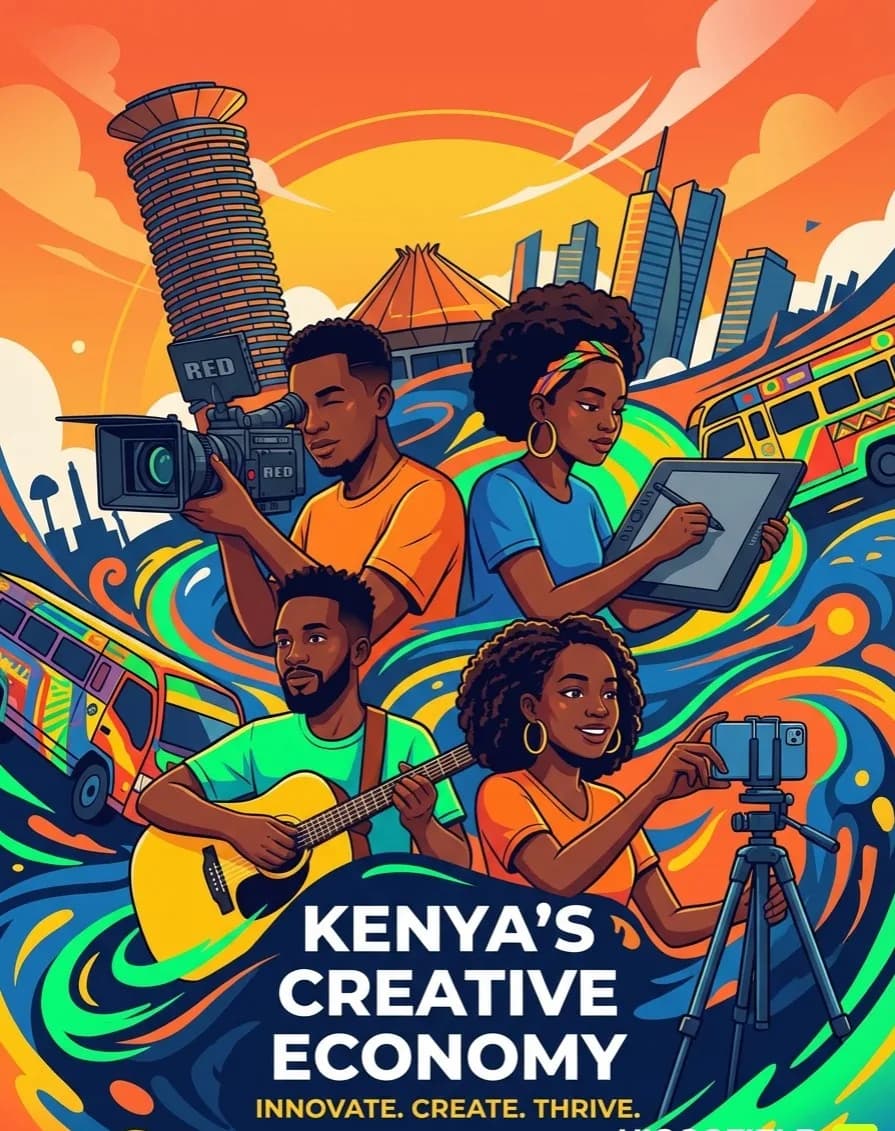
A growing movement of Kenyan artists, curators, and cultural workers are pushing back against these structures. They're creating independent platforms, building local patronage networks, and insisting on the right to define Kenyan culture on their own terms.
The Path Forward
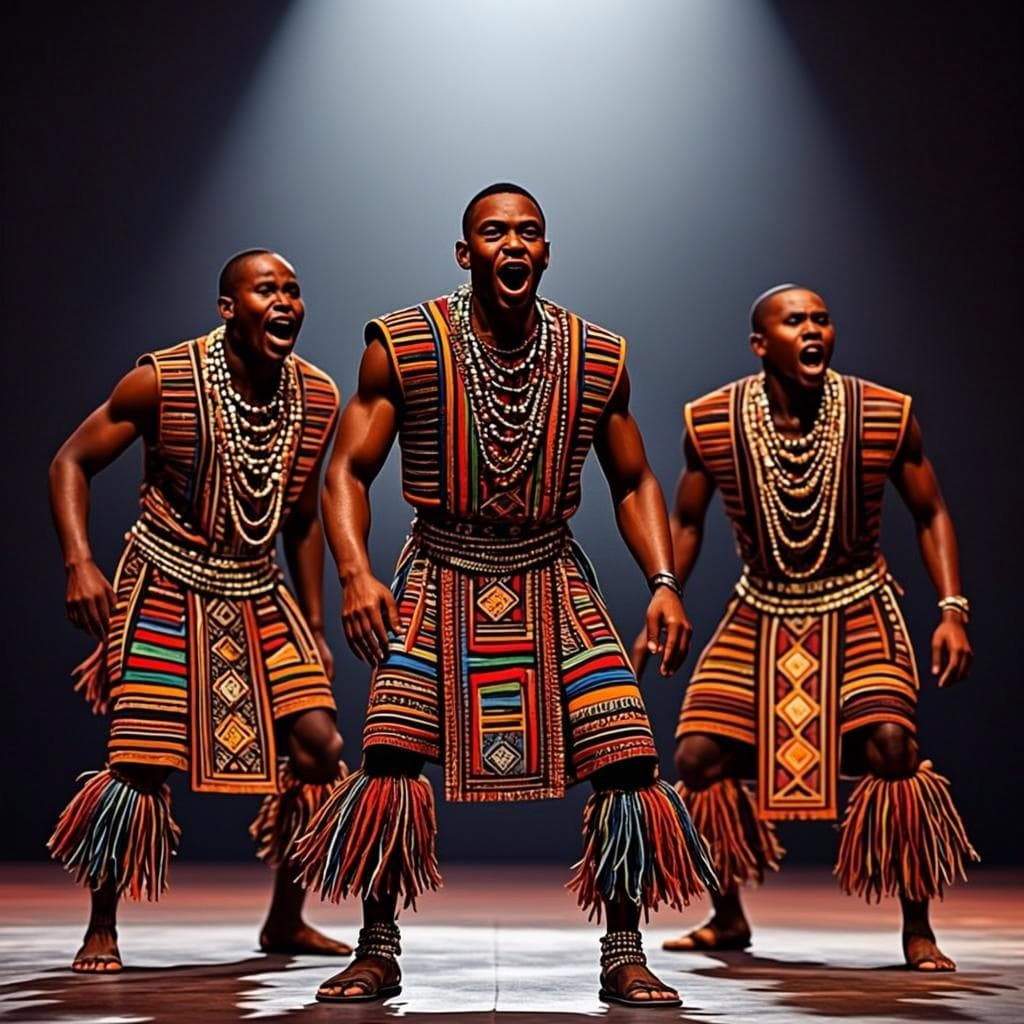
The future of Kenyan cultural expression depends on developing sustainable local support systems, from government policy to private patronage. It also requires honest confrontation with the power dynamics that continue to shape who gets to create, exhibit, and profit from Kenyan culture.